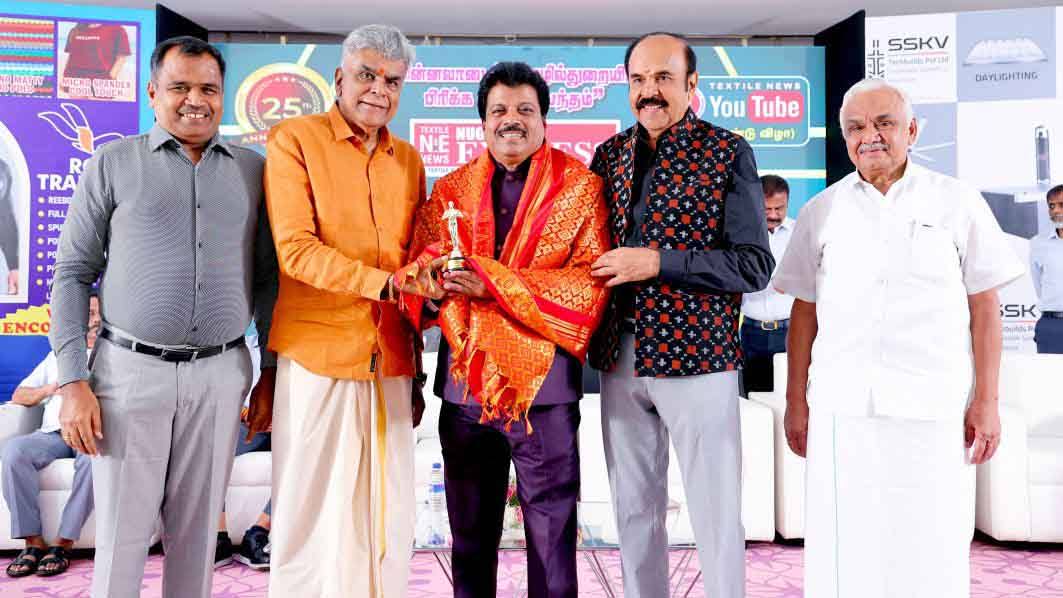


தொழிலில், வாழ்வில் உயர வேண்டும் என்றால், கனவு மட்டும் கண்டால் போதாது, கடும் முயற்சியும், உழைப்பும் அவசியம். அதற்கு திருப்பூர் தொழில்துறையினரே உதாரணம்.
- Repoter 11
- 03 Oct, 2025

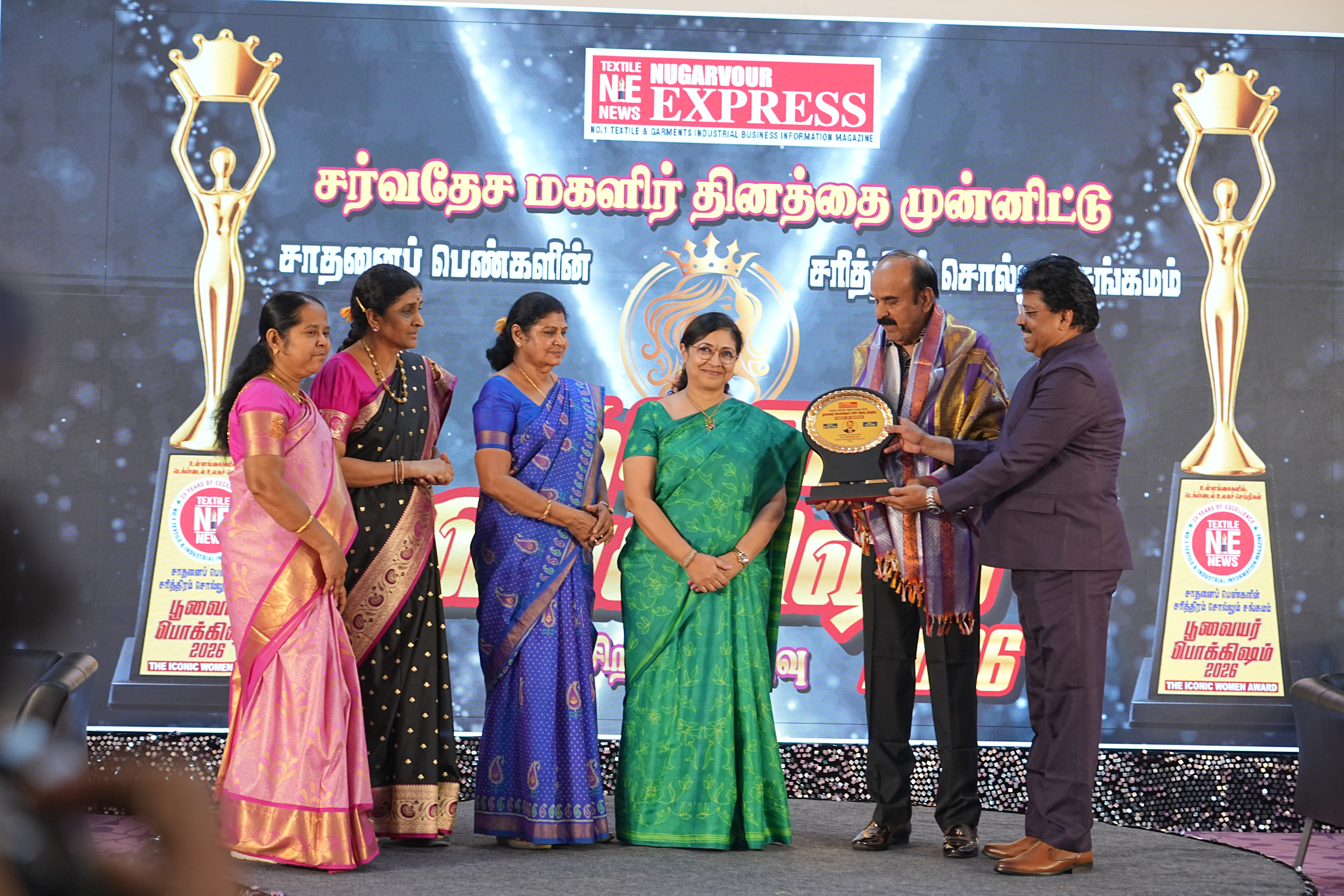
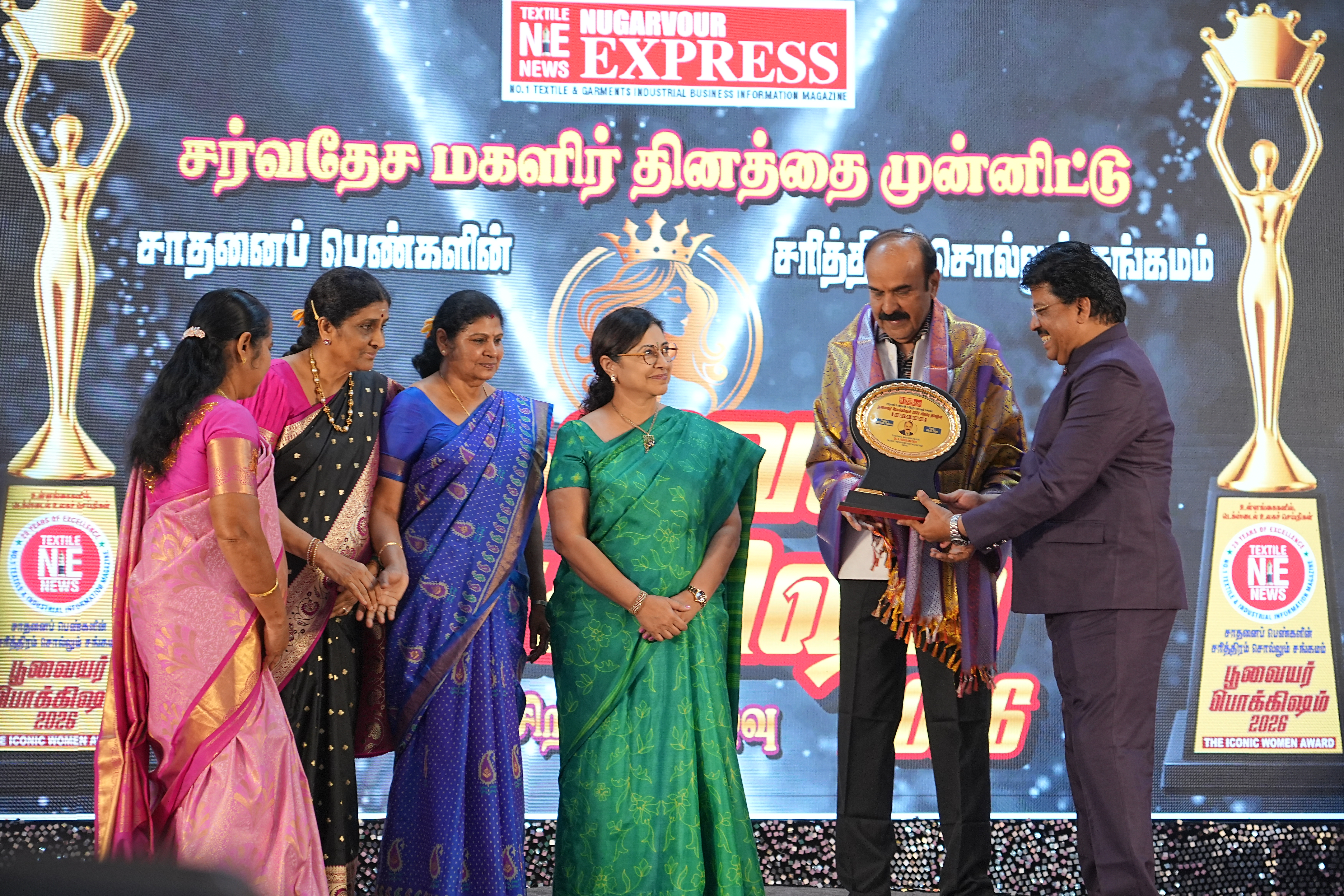
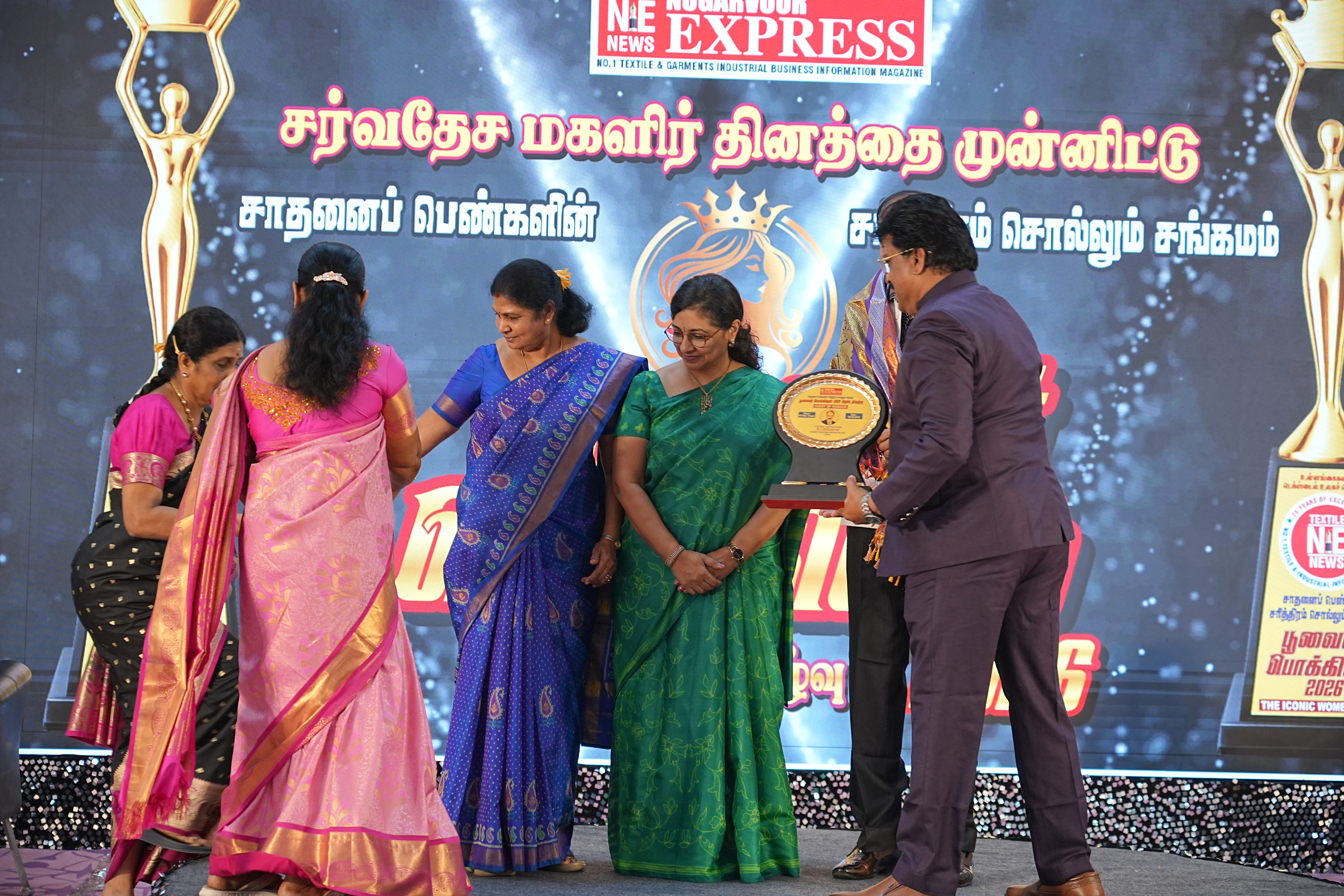
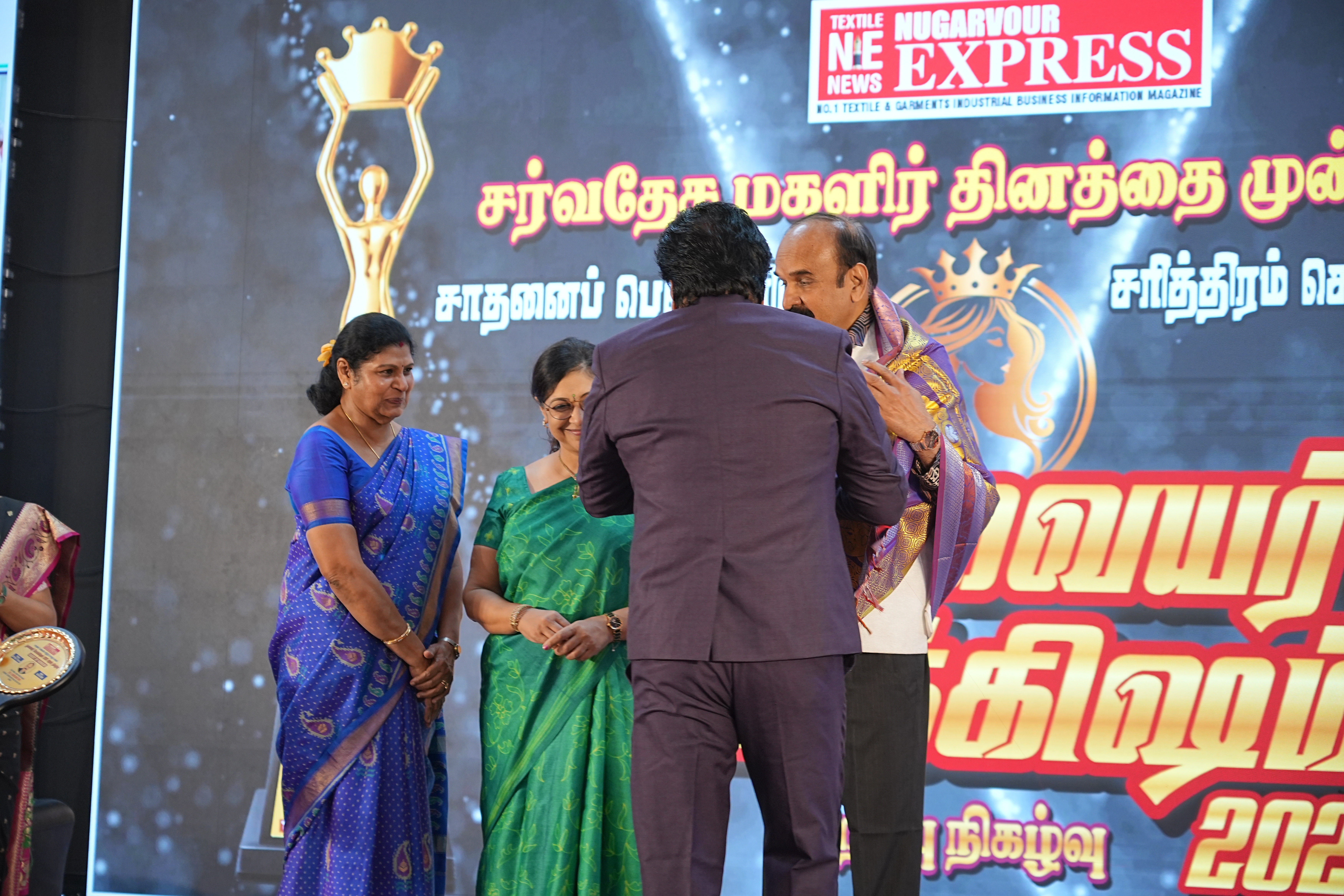
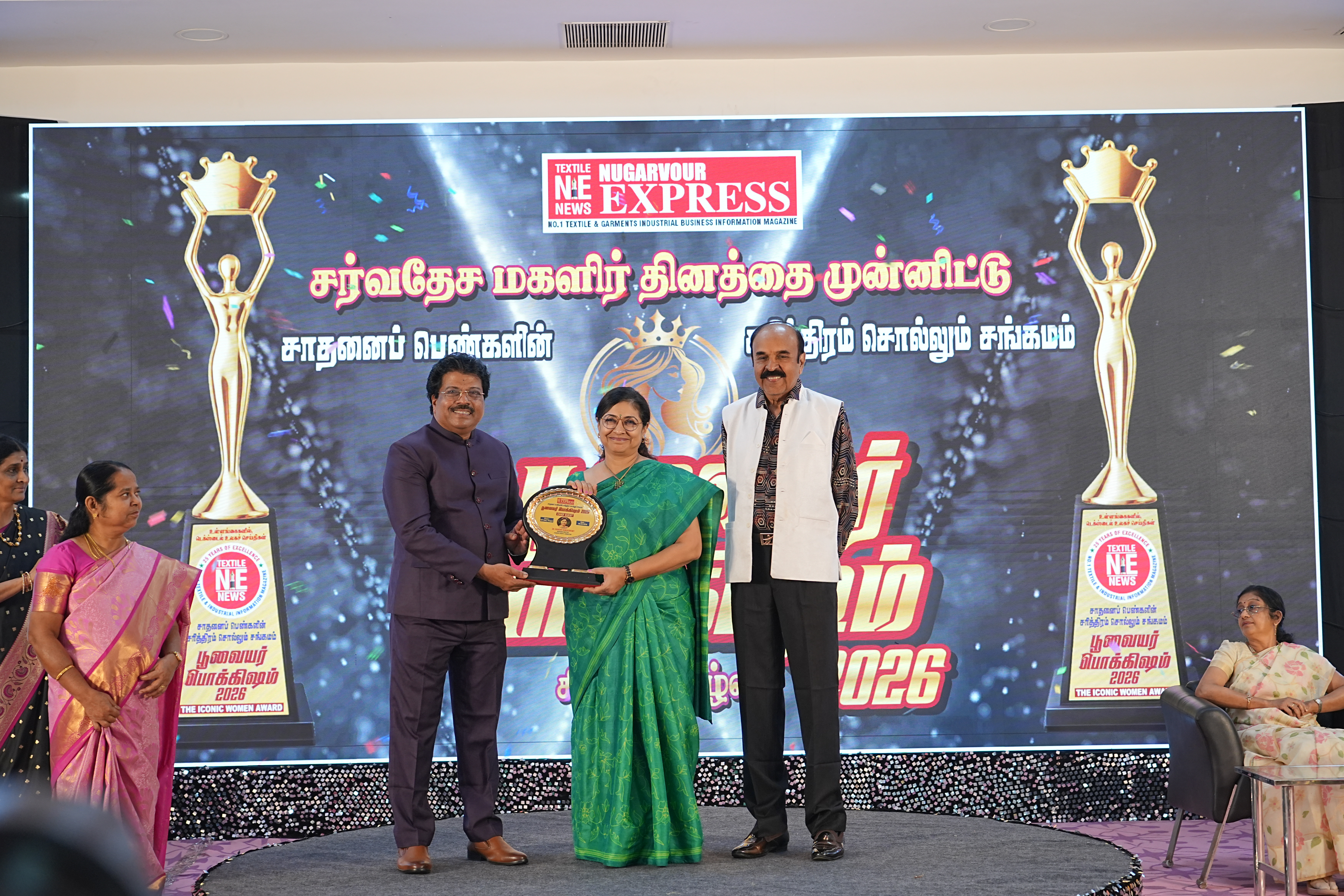
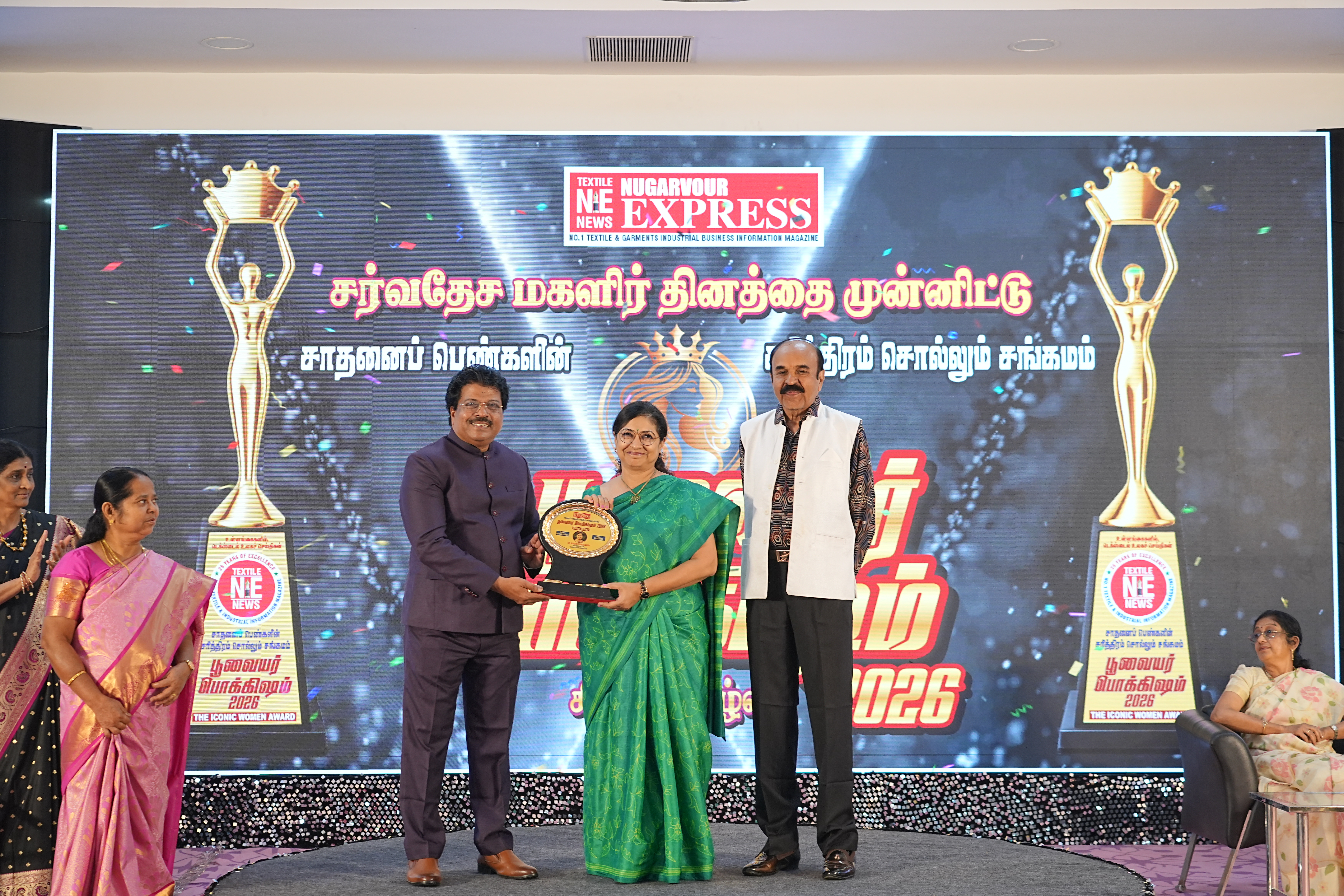
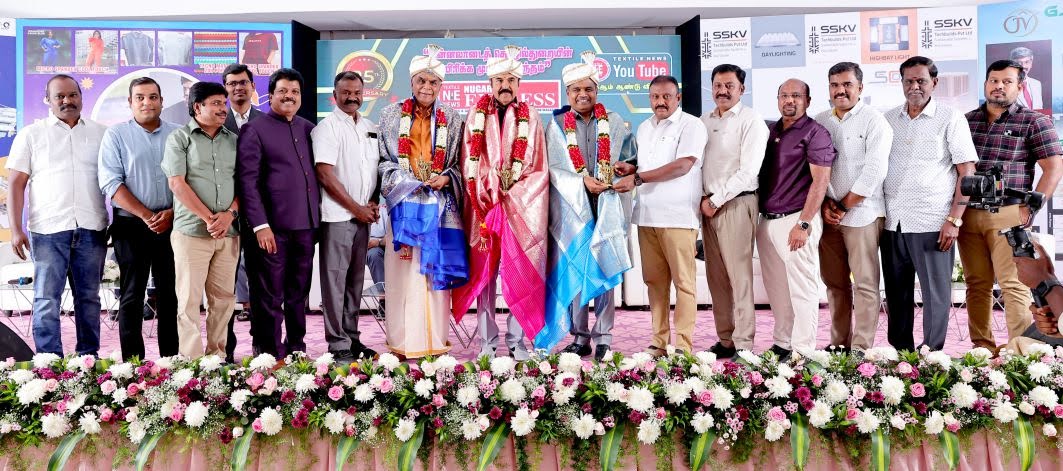
 நுகர்வோர் எக்ஸ்பிரஸ் மாத இதழின் 24ஆம் ஆண்டு விழா, மற்றும் நுகர்வோர் எக்ஸ்பிரஸ் டெக்ஸ்டைல் நியூஸ் யூடியூப் சேனல், 5ம் ஆண்டு விழா மற்றும் டாக்டர்.அப்துல் கலாம் விருது வழங்கும் விழாவில் முன்னாள்
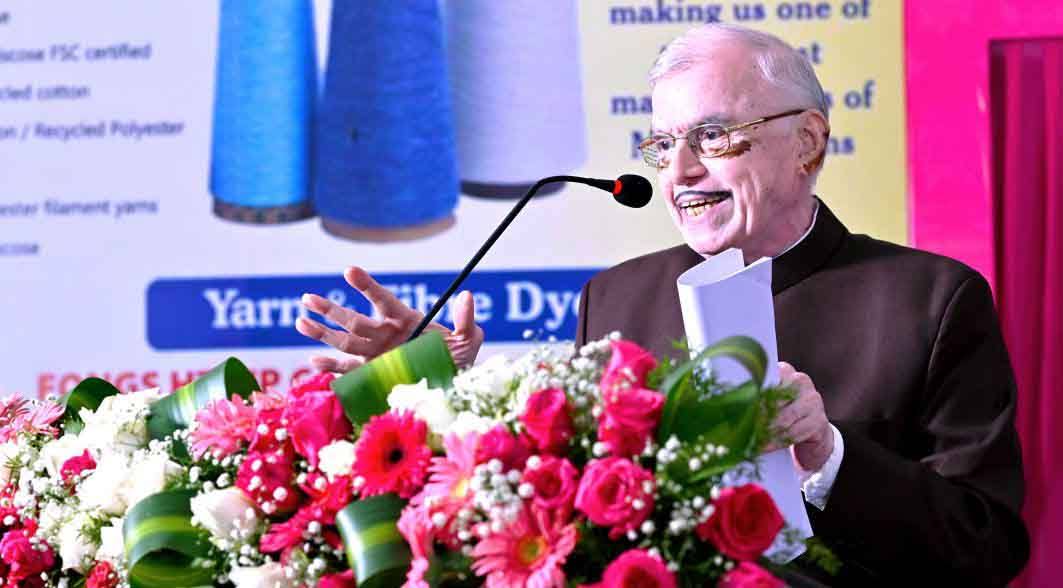
உச்ச நீதிமன்ற தலைமை நீதிபதி மற்றும் முன்னாள் கேரள ஆளுனர், நீதியரசர். திரு.P.சதாசிவம் அவர்கள் முதன்மை சிறப்பு விருந்தினராக கலந்து கொண்டு விழா பேருரையாற்றினார். அவர் இவ்விழாவில் பேசியதாவது,
நுகர்வோர் எக்ஸ்பிரஸ் மாத இதழின் 24ஆம் ஆண்டு விழா, மற்றும் நுகர்வோர் எக்ஸ்பிரஸ் டெக்ஸ்டைல் நியூஸ் யூடியூப் சேனல், 5ம் ஆண்டு விழா, டாக்டர்.அப்துல் கலாம் விருது விழா ஆகிய முப்பெரும் விழாவில், சிறப்பு விருந்தினராக கலந்து கொள்வதில் மகிழ்ச்சியும், பெருமையும் அடைகிறேன். திருப்பூரில்
இருந்து 24 ஆண்டுகளாக, வெளிவந்துக் கொண்டிருக்கும், நுகர்வோர் எக்ஸ்பிரஸ் மாத இதழ் டெக்ஸ்டைல் மற்றும் பின்னலாடை தொழில்துறையினருக்கான தகவல்களையும், செய்திகளையும் வெளியிடுவது மிகவும் பாராட்டுக்குரியது. நுகர்வோர் எக்ஸ்பிரஸ்
மாத இதழில் டெக்ஸ்டைல் மற்றும் பின்னலாடை தொழில்துறை முன்னேற்றத்திற்கான தகவல்கள், தொழில்நுட்ப செய்திகள், நூல் விலை விபரங்கள், அதி நவீன தொழில்நுட்ப தகவல்கள் மற்றும் கல்வி, மருத்துவச் சேவைகள் குறித்த விழிப்புணர்வு செய்திகள் தொடர்ந்து, வெளியிட்டு வருவது மிகச் சிறந்த பணியாகும். இச் சிறந்த பணி மென்மேலும், தொடர எனது வாழ்த்துக்கள்.
மேலும், இவ் விழாவில் தொழில்துறை முன்னேற்றத்திற்கு தேவையான முயற்சிகளும், வாய்ப்புக்களும் என்ற தலைப்பில் கருத்தரங்கம் நடத்தியது, தொழில்துறையினருக்கு, தொழிலை பற்றி அறிந்து கொள்ள பயனளிக்கக் கூடியதாய் அமைந்துள்ளது, நுகர்வோர் எக்ஸ்பிரஸ் பத்திரிகைக்கு தொழில்துறையினரின் மேல்
உள்ள அக்கரையை நிரூபிப்பதாய், அமைந்துள்ளது. நீதித்துறையைச் சார்ந்தவன் என்ற முறையில் சில செய்திகளை தமிழிலும், ஆங்கிலத்திலும் சொல்ல நினைக்கிறேன்.
முதலில் நான் கடந்து வந்த பாதையை,
சுருக்கமாக கூறுகிறேன். ஈரோடு மாவட்டம், பவானி தாலுக்கா, காடப்பநல்லூர் என்ற சிறு கிராமத்தில், விவசாயக் குடும்பத்தில் 27.04.1949
அன்று பிறந்து, பள்ளிக் கல்வி முழுவதும் தமிழ் மொழியில் பயின்று சிங்கம்பேட்டை அரசுப் பள்ளியில் (எனது வீட்டில் இருந்து 3 கிலோ மீட்டர் தூரம்) பள்ளி படிப்பை முடித்து,
ஈரோடு சிக்கய்ய நாயக்கர் கல்லூரி மற்றும் சிவகாசி அய்யநாடார் ஜானகி அம்மாள் கல்லூரி ஆகிய கல்லூரிகளில் பட்டபடிப்பை முடித்து, ஜுலை மாதம் 1973ம் வருடம் வழக்கறிஞராக பதிவு செய்து சென்னை உயர்நீதிமன்றத்தில், வழக்கறிஞர் தொழிலை ஆரம்பித்தேன்.
பல வருடங்கள் வழக்கறிஞராகவும், அரசு வழக்கறிஞராகவும் பணியாற்றி 46வது, வயதில் 08.01.1996 அன்று சென்னை உயர்நீதி மன்றத்தின் நிரந்தர நீதிபதியாக, இந்திய குடியரசு தலைவரால் நியமிக்கப்பட்டு பணியாற்றி வந்தேன்.
11 ஆண்டுகள் சென்னை உயர்நீதிமன்றத்தில் பணியாற்றிய பின், 2007ம் ஆண்டு பஞ்சாப் மற்றும் அரியானா மாநிலங்களின், உச்சநீதி மன்றத்தின் நீதிபதியாக பொறுப்பேற்றுக் கொண்டேன். அதன் பின் 19.07.2013ல் உச்சநீதி மன்றத்தின், 40வது தலைமை நீதிபதியாக பணி நியமனம் பெற்று 26.04.2014ல் ஓய்வு பெற்றேன். தலைமை நீதிபதியாக, பதவியேற்ற நாளில் அன்று அப்போது இருந்த, முதல்வர் அம்மா அவர்கள் தொலைபேசியில் வாழ்த்து கூறினார்கள். அன்று மாலையே முன்னாள் முதல்வர் கலைஞர் அய்யா அவர்கள் தொலைபேசியில் வாழ்த்து கூறும்போது, நான் தான் முதல் தமிழன், பின் தங்கிய வகுப்பைச் சேர்ந்த விவசாயி மகன், இந்திய உச்ச நீதிமன்றத்தின் தலைமை நீதிபதியாக வர முடிந்தது என்று கூறி வாழ்த்து தெரிவித்தார். இருவருடைய வாழ்த்துக்களும், எனக்கு மேலும், வளர்ச்சியடைய உறுதுணையாக இருந்தது.
உச்ச நீதிமன்ற நீதிபதியாக இருந்தபோது, பல முக்கியமான தீர்ப்புகள் என்னால் வழங்கப்பட்டது. ஒரு சிலவற்றையும் இங்கே குறிப்பிடுகிறேன்.
Bombay Blast Case மும்பை குண்டுவெடிப்பு, Biggest Case Ever heard by the Supreme Court 1200 பக்கங்கள் கொண்ட தீர்ப்பு.
2. Reliance Gas Judgement, Public Sector Undertakings, (பாதுகாப்பது நல்லது) என தீர்ப்பு கூறினேன்.
3. Rajiv Gandhi Assassination Accused Case, Delay in Disposal of Mercy Petition by Hon’ble President (Death modified into Life Sentence) Delay of more than 8 years (International Convention மேற்கோள் காட்டி உத்தரவு செய்தேன். இந்த உத்தரவுதான், அனைவரும் பின்னாளில் விடுதலையாக காரணமாக இருந்தது. (Pranab Mukarji’s Initiation to Rastrapathi Bhavan).
4. Prohibition of Manual Scavenging PIL-பொதுநல வழக்கு (மனித கழிவை மனிதனே அள்ளுவது தடைசெய்யப்பட்டது).
Varius Direction Issued + Rs.10 Lakhs as compensation for the death of a person.
5. பொதுநல வழக்கு PIL-100% Blind Advocate Argued this case. Persons with Disabilities Act 100% Blind Advocate argued this case.
Various directions issued - Ramps in Public Places for specially abled persons - Government increased reservations from 3% to 4%.
6. 6. Electrol Reforms PIL
(a) NOTA
(b) Voter verified Paper Audit Trail (VVPT)
(c) Furnishing all details, including that of family members in the nomination papers.
7. MPLAD SCHEME PIL 5 நீதிபதிகள் கொண்ட அமர்வு (Constitution Bench)
Upheld-MP & MLA Fund நியாயமானது என்று என்னால் தீர்ப்பு எழுதப்பட்டது.
(MPகளுக்கு வருடத்திற்கு ரூ.5 கோடி, MLAகளுக்கு வருடத்திற்கு ரூ.3 கோடி தொகுதி வளர்ச்சி நிதி)
தலைமை நீதிபதியாக ஓய்வு பெற்ற பின், (ஏப்ரல் 2014) டெல்லியிலோ, சென்னையிலோ தங்கியிருக்காமல், நான் பிறந்து, வளர்ந்த மண்ணிற்கே திரும்ப வந்து விவசாயத் தொழிலில் ஈடுபட்டேன். அப்போது பாரதப் பிரதமர், அவர்களின் வேண்டுகோளின் படி கேரள மாநில ஆளுனராக 05.09.2014 அன்று பொறுப்பேற்றுக் கொண்டேன். மாணவர் நலன், கல்வி சிறப்பு மேன்மேலும் வளர Chancellors Award ஏற்படுத்தி வருடந்தோறும் ஒரு சிறந்த பல்கலைகழகத்திற்கு பட்டமும் (Award) பரிசு ரூ.5 கோடியும் வழங்க ஊக்குவித்தேன். எனது, 5 வருட காலத்தில் சட்டமன்ற, நாடாளுமன்றத்திற்கு, ஆளுநராக பதவியில் இருந்தாலும் மக்களோடு, மக்களாக வாக்களித்த பெருமை என்னைச் சேரும்.
2010ல் சென்னை சட்ட பல்கலைக்கழகம் எனக்கு டாக்டர் பட்டம் அளித்து இந்திய குடியரசுத் தலைவர் அவர்களின் கரங்களால், அப்போது இருந்த ஆளுநர் முன்னிலையில் கொடுக்கப்பட்டது. ஆளுநர் பதவி காலம் முடிந்து, என் கிராமத்திற்கு வந்து விவசாயம் பார்த்தபோது (செப்டம்பர் 2019) முன்னாள் குடியரசுத்தலைவர் அவர்கள் எனக்கு இந்தியாவின் சிறந்த ஆளுனர் என்ற சான்றிதழும், வாலும் பரிசாக அளித்து அதனை டெல்லியிலிருந்து, ஈரோடு மாவட்ட ஆட்சியர் அவர்கள் மூலம் என்னிடம் சேர்த்தார்கள். இந்த செயல் எனக்கு பெரிதும் ஊக்கமளிக்கிறது. நம் கடமையை திறம்படச் செய்தால், பரிசு நம் வீடு தேடி வரும் என்பதற்கு இது உதாரணமாகும். இதனைத் தொடர்ந்து, அவர் ஆற்றிய ஆங்கில உரையின் தொகுப்பு,
India possesses several key capabilities that make it a major player in textile manufacturing. Its comprehensive capabilities in textile manufacturing-ranging from abundant raw materials to a skilled workforce and government support-position it as a vital hub in the global textile supply chain. The combination of traditional craftsmanship and modern technology further enhances its competitiveness in the Industry. A rich Tradition of textile craftsmanship and handloom weaving contributes to the uniqueness and appeal of Indian textiles in global markets.
India’s vison of becoming ‘Atmanirbhar’ or Self-reliant India Campaign, is the vision of new India envisaged by the Hon’ble Prime Minister, Shri Narendra Modi. On the 12th May 2020, the PM raised a clarion call to the nation, giving a kick-start to the Atmanirbhar Bharat Abiyaan (Self-reliant India Campaign).
Major Initiatives / Schemes to enhance India’s Manufacturing capabilities and exports are as Under:-
1. Make in India Initiative : ‘Make in India’ is an initiative that was launched on 25th September 2014
to facilitate investment, foster innovation, build
best-in-class infrastructure, and make India a hub
for manufacturing, design, and innovation,
It was one unique initiative that promoted
India’s manufacturing domain to the world.
The ‘Make in India’ initiative is not a State / District / Area-Specific initiative, rather it is being
implemented nationwide.
2. Industrial Corridor Development Programme:
To accelerate growth in manufacturing, the
Goverment of India (Gol) has adopted the strategy
of developing Industrial Corridors in Partnership
with State Governments. The objective of this programme is to develop Greenfield Industrial regions/areas/nodes with sustainable infrastructure
and make available Plug-and-Play infrastructure
at the plot level. As part of the National Industrial Corridor Program, 11 Industrial Corridors are being developed in four phases.
3. Ease of Doing Business:
The objective is to improve the Ease of Doing
Business and the Ease of Living by simplifying, Rationalizing, Digitizing and Decriminalizing government-to-business and Citizen Interfaces
across Ministers/States/UTs. The initiative’s key focus areas are simplification of procedures, rationalization of legal provisions, digitization
of government processes, and decriminalization
of minor, technical or procedural defaults.
4. National Single Window System:
The setting up of National Single Window System (NSWS) was announced in the Budget 2020-21
with the objective to provide “end to end” facilitation and support to investors, including pre-investment advisory, provide information related to land banks and facilitate clearances at Centre and State level. Envisioned as one-stop shop for investor related approvals and services in the country, the National Single Window System (NSWS) was soft-launched on 22nd September, 2021 by Hon’ble Commerce & Industry Minister. Large number of States/UTs Single Window Systems have been linked with the NSWS Portal thereby providing access to approval of these States/UTs to be applied through NSWS.
5. PM Gati Shakti National Master Plan (NMP):
PM Gati Shakti National Master Plan (NMP), a
GIS based platform with portals of various Ministers/Departments of Government, was launched
in October 2021. It is a transformative approach
to facilitate data-based decisions related
to integrated planning of multimodal infrastructure, thereby reducing logistics cost. Empowered
Group of Secretaries (EGoS) and Network
Planning Group (NPG) have been created as institutional arrangement. About 2000 data layers of various Central Ministries / Departments / State Governments have so far been uploaded on the
NMP. For enhanced capital expenditure by states for infrastructure development, the Ministry
of Finance, Department of Expenditure through
the “Scheme for Special Assistance to States for
Capital Investment for 2022-23” on 6th April 2022 has
made a additional provision of Rs.1,00,000 crore
for disbursement among the states as long term
loans at a zero interest rate. Out of this,
under Part II of the scheme Rs. 5000 crore are specifically provided for PM GatiShakti related expenditure.
6. National Logistics Policy: National Logistics Policy (NLP) was launched on 17th September 2022, that aims to lower the cost of logistics and lead it to par with other developed countries. It is a comprehensive effort to address cost inefficiency by laying down an overarching interdisciplinary, cross-sectoral and multi-jurisdictional framework for developing entire logistics ecosystem. This would boost economic growth, provide employment opportunities, and make Indian Products more competitive in the global market.
7. Production Linked Incentive Scheme:
Keeping in view India's vision of becoming ‘Atmanirbhar’, production linked incentive (PLI) Schemes for 14 key sectors have been announced
with an outlay of Rs.1.97 lakh crore to enhance
India's manufacturing capabilities and Exports.
These schemes have potential for creation of high production, economic growth, exports and significant employment over the next five years and more.
In India, the textile and garment manufacturing sector is supported by various laws and policies designed to encourage growth and investment.
Here are somekey areas of support:
1. Trade Policies
Export Promotion Schemes: Programs like
Merchandise Exports from India Scheme
(MEIS) provide incentives for exporting textiles
and garments.
Duty Drawback Schemes: This allows
manufacturers to claim a refund of duties paid on
imported materials used in exported Goods.
2. Financial Incentives
Textile Policy (2019): Aimed at enhancing the
sector’s growth, this policy includes various
incentives for technology upgrades and
investments.
Subsides and Grants: The Government offers
financial assistance for capital investment and
modernization of manufacturing units.
3. Labor Laws
Factories Act: Ensures worker safety and welfare,
which can enhance productivity and working
conditions in the textile sector.
Minimum Wages Act: Establishes minimum wage
standards to protect workers in the garment
industry.
4. Skill Development Initiatives
Skill India Mission: Aims to provide skill training
to the workforce, enhancing capabilities within the
textile and garment sector.
National Skill Development Corporation
(NSDC)
Offers training programs specifically tailored for
the textiles and apparel industry.
5. Intellectual Property Rights
Patents and Designs Act: Protects the intellectual
property of textile designs and innovations,
encouraging creativity and investment in new
products.
6. Export Promotion Councils
The Apparel Export Promotion Council
(AEPC): Provides support and resources to textile
manufacturers and exporters, helping them
navigate international markets.
7. Technological Support:
The Apparel Export Promotion Council (AEPC)
Aims to promote research and development in
technical textiles, providing grants and incentives
for innovation
8. Logistics and Infrastructure Support
Development of Textiles Parks: The government has established schemes like the Scheme
for Integrated Textile Parks (SITP) to create
world-class infrastructure for textile manufacturing.
9. National Textile Policy (NTP) 2020
Aims to position India as a global hub for textiles
and apparel, focusing on enhancing production
capabilities, exports and sustainability.
These laws and initiatives collectively aim to bolster the textile and garment manufacturing sector in India, promoting growth, sustainability and global competitiveness.
Environmental Law and Textile Industries
In India, various environmental laws and regulations specifically address the textile industry focusing on sustainability and pollution control. Here are the key laws and regulations:
1. Water (Prevention and Control of Pollution)
Act, 1974
Regulates the discharge of pollutants into water bodies from textile manufacturing processes, requiring industries to obtain permits for effluent discharge and implement treatment measures.
2. Air (Prevention and Control of Pollution) Act,
1981
Address air quality by regulating emissions from textile factories, requiring them to adhere to prescribed air quality standards and implement pollution control measures.
3. Environment (Protection) Act, 1986
Provides a framework for the protection and improvement of the environment, requiring industries, including textiles, to conduct environmental impact assessments (EIA) for certain projects.
4. Hazardous Waste (Management, Handling and Transboundry Movement) Rules, 2016
Governs the management and disposal of hazardous waste generated by textile processes, ensuring proper handling and treatment to mitigate environmental impact.
5. Bio-Medical Waste Management Rules, 2016
While primarily focused on healthcare, certain textile processes (like those involving dyes and chemicals) may generate waste that falls under this regulation, ensuring safe disposal.
6. National Clean Air Programme (NCAP)
Aimed at improving air quality across India,
it includes measures to control emissions from industrial sources, including textiles.
7. National Water Policy (2012)
Emphasizes sustainable water management and promotes practices that reduce water consumption and pollution in industries, including textiles.
8. The Sustainable Development Goals (SDGs)
While not a law, India’s commitment to the SDGs includes targets related to sustainable industrialization, which impact the textile sector’s environmental practices.
9. Green Rating for Integrated Habitat Assessment
(GRIHA)
A National rating system that encourages sustainable building practices in the textile sector and other industries, promoting energy efficiency and reduced environmental impact.
10. Textile Industry (Specific Initiatives)
Various state-level initiatives and regulations also promote sustainable practices, such as waste management policies and incentives for using
eco-friendly materials.
இந்தச் சட்டங்கள் மற்றும் விதிமுறைகள் ஜவுளித் தொழிலின் சுற்றுச்சூழல் பாதிப்பைத் குறைக்கவும், நிலைத்தன்மையை மேம்படுத்தவும், தூய்மையான தொழில்நுட்பங்களை ஏற்றுக்கொள்வதை ஊக்குவிக்கவும், வடிவமைக்கப்பட்டுள்ளன. உற்பத்தியாளர்கள் நிலையான செயல்பாடுகளை
உறுதி செய்வதற்கும், அபராதங்களைத் தவிர்ப்பதற்கும், இணக்கம் முக்கியமானது.
இந்தியாவின் ஜவுளி உற்பத்தித்துறை பல ஆண்டுகளாக குறிப்பிடத்தக்க அளவில் வளர்ச்சியடைந்து, உலகின் மிகப்பெரிய துறைகளில் ஒன்றாக மாறியுள்ளது. உள்நாட்டு தேவை, அரசாங்க முயற்சிகள், தொழில்நுட்ப முன்னேற்றங்கள் மற்றும் நிலைத்தன்மையின் மீதான கவனம் ஆகியவற்றின் கலவையால் ஆதரிக்கப்படும் தொடர்ச்சியான வளர்ச்சிக்கு இது தயாராக உள்ளது. தற்போதைய முதலீடுகள் மற்றும் சீர்திருத்தங்கள் மூலம், உலகளாவிய ஜவுளி மையமாக இந்தியா தனது நிலையை வலுப்படுத்துவதை நோக்கமாகக் கொண்டுள்ளது.
ஒரு சாதாரணக் குடும்பத்தில் பிறந்து, குடியரசுத் தலைவர் வரை உயர்ந்தவர் டாக்டர் அப்துல்கலாம் ஐயா அவர்கள். அவர் கனவு மட்டும் காணவில்லை, தன்னுடைய கனவில் வெற்றி பெற அயராது உழைத்தவர். அனைவரும் கனவு காண வேண்டும். அந்த கனவு
வெற்றி பெற அயராது உழைக்க வேண்டும். ஒரு விவசாய குடும்பத்தில் பிறந்து, தமிழ் மொழியிலேயே பள்ளிப் படிப்பை அரசுப் பள்ளியில் படித்து, இந்திய உச்சநீதி மன்றத்தின் தலைமை நீதிபதியாக நான் ஆனதற்கு என்னுடைய கடுமையான உழைப்புதான் காரணம். அனைவரும் இதனை மனதில் கொண்டு, அப்துல்கலாம் ஐயா வழியில் கடுமையாக உழைத்து அவரவர் தொழிலில் மென்மேலும் வளர வாழ்த்துகிறேன்.
இத்துடன், எனது சிறப்புரையை முடித்துக் கொள்கிறேன். நுகர்வோர் எக்ஸ்பிரஸ் மாதாந்திர ஜவுளி மற்றும் தொழில்துறை வணிகத் தகவல் இதழ் மற்றும் அதன் ஆசிரியர் மற்றும் வெளியீட்டாளர், னி.முத்துக்குமார் ஆகியோருக்கு எனது மனமார்ந்த வாழ்த்துகளைத் தெரிவித்துக் கொள்கிறேன்.
Leave a Reply
Your email address will not be published. Required fields are marked *